
Software tutto in uno per la gestione della proprietà
Hoozzee è la scelta migliore per i software di gestione immobiliare in Europa. Con le sue funzionalità completamente personalizzabili, puoi gestire facilmente il tuo portafoglio immobiliare, sia esso residenziale, commerciale o comunitario.
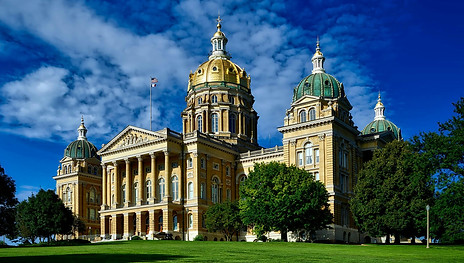
Navigating Iowa’s landlord-tenant laws is essential for both landlords and tenants to ensure a fair and legal rental experience. Understanding rights, responsibilities, fair housing regulations, security deposit rules, maintenance duties, and eviction procedures can help prevent disputes and legal issues. This guide breaks down key aspects of Iowa's rental laws to provide clarity and compliance for all parties.
Landlord-Tenant Rights & Responsibilities in Iowa
Understanding Iowa Landlord-Tenant Law in 2026: A Complete Guide
Iowa has a comprehensive framework of landlord-tenant laws governed primarily by the Iowa Uniform Residential Landlord and Tenant Act under Iowa Code Chapter 562A, providing detailed protections for both landlords and tenants. As a Midwestern agricultural state with growing urban centers, Iowa’s regulatory environment balances landlord property rights with meaningful tenant protections across its diverse rental markets. With rental markets spanning from Des Moines, Cedar Rapids, and Davenport to Iowa City, Sioux City, Waterloo, Ames, and communities throughout the Hawkeye State, understanding these laws is essential for anyone involved in residential property management. Hoozzee provides Iowa property managers with the comprehensive tools and resources needed to navigate this legal landscape while maintaining full compliance in 2026.
Landlord Rights in Iowa (2026)
Iowa landlords retain important rights within the state’s regulatory framework established by the Uniform Residential Landlord and Tenant Act. Landlords have the right to collect rent on the date specified in the lease agreement, and Iowa law does not mandate a specific grace period for rent payments unless the lease provides one. Under Iowa Code §562A.27A, landlords may pursue eviction for nonpayment of rent, material lease violations, holding over after lease expiration, clear and present danger situations, and other legally recognized grounds through the district court system. Landlords have the right to enter rental units with at least 24 hours’ advance notice for purposes including inspections, necessary repairs, showing the unit to prospective tenants, and in emergencies where immediate entry is necessary under Iowa Code §562A.19. Iowa landlords may screen prospective tenants through credit checks, background checks, criminal history reviews, and rental history verification while complying with fair housing regulations. Property owners retain the right to set rent amounts and establish reasonable terms in their lease agreements, as Iowa has no statewide rent control and state law does not authorize local rent control ordinances. Landlords may require security deposits up to the statutory maximum of two months’ rent and enforce lease terms through Iowa’s established legal procedures. Iowa law allows landlords to recover possession through forcible entry and detainer proceedings filed in district court.
Landlord Responsibilities Under Iowa Law
Iowa imposes substantial obligations on landlords designed to ensure safe and habitable rental housing throughout the state. Under Iowa Code §562A.15, landlords must comply with the requirements of applicable building and housing codes materially affecting health and safety, make all repairs and do whatever is necessary to put and keep the premises in a fit and habitable condition, keep all common areas of the premises in a clean and safe condition, maintain in good and safe working order and condition all electrical, plumbing, sanitary, heating, ventilating, air conditioning, and other facilities and appliances supplied or required to be supplied by the landlord, provide and maintain appropriate receptacles and conveniences for the removal of garbage and rubbish, and supply running water and reasonable amounts of hot water at all times. Given Iowa’s harsh continental climate with cold winters and hot summers, heating system maintenance is critically important for tenant health and safety. Iowa landlords must provide functioning locks and secure entry points for tenant safety. Landlords are required to disclose the name and address of the person authorized to manage the premises and an owner or person authorized to act on behalf of the owner for the purpose of service of process and receiving notices and demands under Iowa Code §562A.13. Lead paint disclosure is required for all pre-1978 housing as mandated by federal law. Iowa landlords must also ensure compliance with smoke detector requirements and all applicable local building and housing codes throughout the state.
Tenant Rights in Iowa (2026)
Iowa tenants benefit from significant statutory protections under the Uniform Residential Landlord and Tenant Act. The right to a habitable dwelling is guaranteed under Iowa Code §562A.15, and tenants have multiple remedies when landlords fail to maintain habitable conditions. Under Iowa Code §562A.21, if a landlord fails to comply with the rental agreement or maintenance obligations, the tenant may deliver a written notice specifying the acts and omissions constituting the breach, and if the breach is not remedied within seven days, the tenant may terminate the rental agreement. Iowa law also permits tenants to pursue repair and deduct remedies under certain circumstances as provided by statute. Tenants have the right to quiet enjoyment of their rental premises without unreasonable interference from the landlord. Iowa tenants are entitled to at least 24 hours’ advance notice before landlord entry and may deny entry at unreasonable times. Iowa law provides strong protections against retaliatory conduct under Iowa Code §562A.36, prohibiting landlords from retaliating against tenants who complain to governmental agencies about code violations, exercise their legal rights, or organize or join tenant unions. Tenants are protected by both federal and state fair housing laws, including the Iowa Civil Rights Act. Security deposits must be handled in accordance with Iowa Code §562A.12, and tenants are entitled to receive an itemized statement of deductions and the return of any remaining deposit within 30 days of vacating. Iowa tenants have the right to proper notice before eviction proceedings and access to the district court for dispute resolution.
Tenant Responsibilities Under Iowa Law
Iowa tenants have well-defined obligations under state law and their lease agreements. Tenants must pay rent on time as specified in the lease agreement. Under Iowa Code §562A.17, tenants must comply with all obligations primarily imposed upon tenants by applicable building and housing codes materially affecting health and safety, keep that part of the premises that the tenant occupies and uses as clean and safe as the condition of the premises permit, dispose of all ashes, rubbish, garbage, and other waste from the dwelling unit in a clean and safe manner, keep all plumbing fixtures in the dwelling unit as clean as their condition permits, use in a reasonable manner all electrical, plumbing, sanitary, heating, ventilating, air conditioning, and other facilities and appliances, and not deliberately or negligently destroy, deface, damage, impair, or remove any part of the premises or knowingly permit any person to do so. Tenants must conduct themselves and require other persons on the premises to conduct themselves in a manner that will not disturb the neighbor’s peaceful enjoyment of the premises. Iowa tenants are required to provide proper written notice before vacating the premises, and for month-to-month tenancies, at least 30 days’ notice is required under Iowa Code §562A.34. Tenants must allow landlord access with at least 24 hours’ notice for inspections, repairs, and showings. Tenants are responsible for damage beyond normal wear and tear and may have deductions taken from their security deposit for such damages.
Compliance with Fair Housing Laws in Iowa
Iowa provides comprehensive fair housing protections through both federal law and the Iowa Civil Rights Act under Iowa Code Chapter 216. The Federal Fair Housing Act prohibits discrimination based on race, color, national origin, religion, sex, familial status, and disability. The Iowa Civil Rights Act extends protected classes to include creed, sexual orientation, gender identity, and retaliation for filing a civil rights complaint. Iowa’s growing and increasingly diverse population, particularly in urban centers such as Des Moines, Iowa City, and the Quad Cities, makes fair housing compliance critically important for property managers. Landlords must ensure that all advertising, screening criteria, and rental decisions are applied uniformly and without discrimination. Reasonable accommodations and modifications for tenants with disabilities must be provided, including allowing service animals and emotional support animals regardless of pet policies. All marketing materials must be free of discriminatory language, and consistent screening criteria must be applied to all applicants. Iowa’s large university communities in Iowa City, Ames, and Cedar Falls require particular sensitivity to fair housing compliance in student rental markets. The Iowa Civil Rights Commission investigates and enforces fair housing violations, and penalties can include compensatory damages, civil penalties, attorney fees, and injunctive relief. Some Iowa municipalities, including Iowa City and Des Moines, have enacted local ordinances providing additional protections. Hoozzee helps Iowa property managers implement rigorous fair housing compliance procedures and maintain consistent, non-discriminatory screening practices across their portfolios.
Security Deposits in Iowa (2026 Guidelines)
Iowa’s security deposit laws under Iowa Code §562A.12 provide detailed requirements for the handling and return of tenant deposits. Iowa imposes a statutory maximum on security deposits of two months’ rent. Landlords must hold security deposits and prepaid rent in a bank or savings and loan association or credit union in the state of Iowa in an account separate from the landlord’s personal funds. Within 30 days after the termination of the tenancy and the tenant’s vacating the premises, the landlord must return the security deposit along with an itemized statement of any deductions. If the landlord proposes to retain any portion of the deposit, the statement must itemize the reasons in reasonably specific detail. Deductions are limited to unpaid rent, damages beyond normal wear and tear, and other charges permitted under the rental agreement. The landlord must mail the statement and any refund to the last known address of the tenant. If the landlord fails to return the deposit or provide the itemized statement within 30 days, the landlord forfeits the right to retain any portion of the security deposit and must return the entire deposit to the tenant. Additionally, the landlord may be liable for up to twice the amount wrongfully withheld plus reasonable attorney fees. Iowa law requires landlords to provide tenants with a written statement of the condition of the premises at or before the commencement of the tenancy. Hoozzee automates Iowa’s security deposit workflows, tracks the 30-day return deadline, manages separate account documentation, generates compliant itemized statements, and maintains proper records throughout the tenancy.
Maintenance Responsibilities of Iowa Landlords
Iowa landlords face significant maintenance obligations shaped by the state’s extreme continental climate with harsh winters and hot, humid summers. Under Iowa Code §562A.15 and the implied warranty of habitability, landlords must maintain rental properties in a condition fit for human habitation and in compliance with all applicable building and housing codes. Iowa’s climate creates distinctive maintenance demands including heating system reliability during severe winters when temperatures regularly drop well below zero, snow and ice removal from walkways and common areas, pipe freeze prevention, air conditioning maintenance during hot and humid summers, and moisture and mold prevention. Heating is considered essential in Iowa’s climate, and failure to maintain working heating systems constitutes a serious habitability violation. Plumbing systems require particular attention to prevent pipe freezing and bursting during Iowa’s harsh winters, including proper insulation of exposed pipes and heat tape where necessary. Iowa’s humidity during summer months creates additional challenges for mold and mildew prevention, requiring proper ventilation and moisture control. Pest control is an important maintenance responsibility, with particular attention to mice, rats, cockroaches, and seasonal insect infestations common in Iowa properties. Fire safety requirements must be met including smoke detectors in all required locations and carbon monoxide detectors in properties with fuel-burning appliances or attached garages. Landlords must respond to repair requests within a reasonable timeframe, and failure to maintain habitable conditions may trigger tenant remedies including repair and deduct or lease termination under Iowa Code §562A.23. Severe weather preparedness including tornado safety is an important consideration for Iowa rental properties.
Eviction Procedures for Iowa Landlords (2026)
Iowa’s eviction process is administered through the district court system under the forcible entry and detainer statutes and requires strict compliance with procedural requirements. For nonpayment of rent, landlords must serve a three-day notice to pay rent or vacate under Iowa Code §562A.27(2). For material lease violations other than nonpayment, landlords must serve a seven-day notice, with the tenant having the opportunity to cure the violation within that period under Iowa Code §562A.27(1). For clear and present danger situations involving illegal drug activity or criminal acts, landlords may serve a three-day notice without opportunity to cure under Iowa Code §562A.27A. For month-to-month tenancies being terminated without cause, landlords must provide at least 30 days’ written notice under Iowa Code §562A.34. After the applicable notice period expires, if the tenant has not vacated, cured the violation, or paid the rent owed, the landlord must file a forcible entry and detainer action in district court. The court will schedule a hearing, and the tenant has the opportunity to present defenses. If the court rules in favor of the landlord, a writ of removal is issued directing the sheriff to remove the tenant. Self-help evictions are strictly prohibited under Iowa Code §562A.25A, and landlords cannot change locks, remove belongings, shut off utilities, or take other actions to force a tenant out without a court order. Violations of the prohibition on self-help evictions can result in liability for actual damages, attorney fees, and up to two months’ rent as a penalty. Hoozzee helps Iowa landlords maintain proper documentation and track notice requirements throughout the eviction process.
How Hoozzee Helps Iowa Property Managers
Hoozzee is the comprehensive property management platform designed to address the specific challenges of Iowa’s diverse rental market spanning urban centers and agricultural communities. Our platform automates rent collection, lease management, maintenance tracking, and financial reporting with built-in compliance features tailored to Iowa’s Uniform Residential Landlord and Tenant Act. Hoozzee generates state-compliant lease agreements incorporating Iowa-specific provisions including security deposit limitations, 24-hour notice requirements for entry, maintenance obligations, and all required disclosures. Our platform automatically tracks security deposit deadlines and generates compliant itemized statements, ensuring adherence to Iowa’s 30-day return requirement and separate account provisions. Hoozzee’s maintenance management system enables landlords to address Iowa’s unique climate-related challenges with priority categorization for heating emergencies, pipe freeze prevention, severe weather preparedness, mold remediation, and seasonal maintenance needs. The platform’s tenant screening tools ensure compliance with Iowa’s comprehensive fair housing laws and consistent application of screening criteria across diverse markets from Des Moines to university towns and rural communities. Hoozzee’s document management features help landlords maintain the records required for navigating Iowa’s district court forcible entry and detainer proceedings efficiently. Whether you manage properties in Des Moines, Cedar Rapids, Davenport, Iowa City, Sioux City, Waterloo, Ames, or communities throughout the Hawkeye State, Hoozzee provides the tools and expertise you need to succeed in Iowa’s competitive rental market. Start your free trial today and discover how Hoozzee simplifies Iowa property management.
- 01
- 02
- 03
- 04
- 05
- 06